

คุณกำลังมองหาอะไร?
ภูมิภาคเอเชียตะวันออกเฉียงใต้กำลังกลายเป็นหนึ่งในตลาดที่เติบโตเร็วที่สุดสำหรับเครื่องหล่อขึ้นรูปอลูมิเนียมแบบแรงโน้มถ่วง โดยได้รับแรงผลักดันจากการขยายตัวของรถยนต์ไฟฟ้าในภูมิภาค การย้ายฐานการผลิต และการยกระดับการผลิตในท้องถิ่นในช่วง 12 เดือนที่ผ่านมา ประเทศไทย อินโดนีเซีย และเวียดนามโดดเด่นในฐานะสามศูนย์กลางหลักสำหรับการลงทุนโรงหล่อใหม่และการจัดซื้ออุปกรณ์
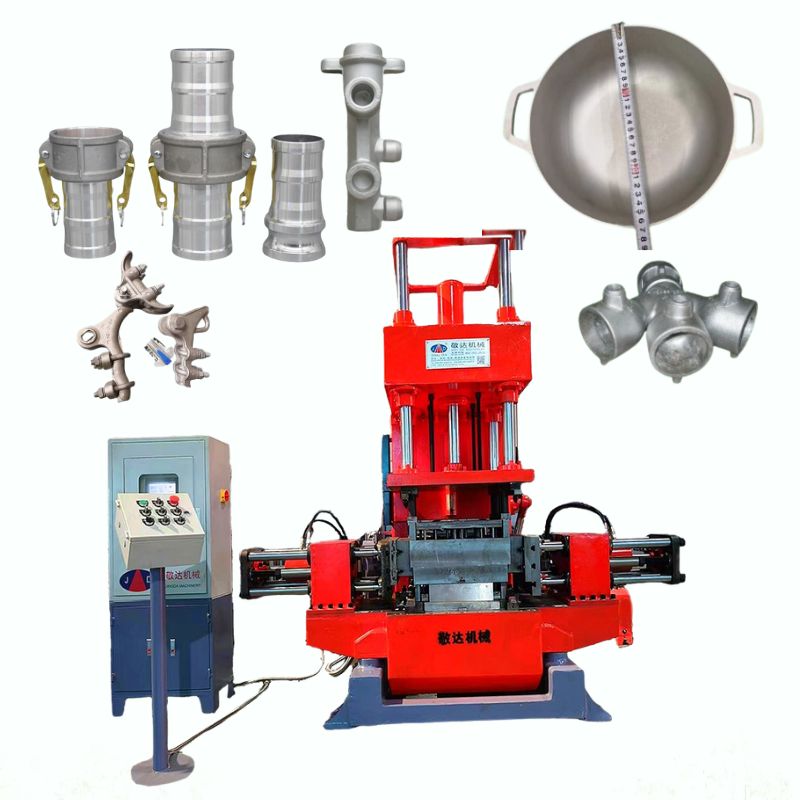
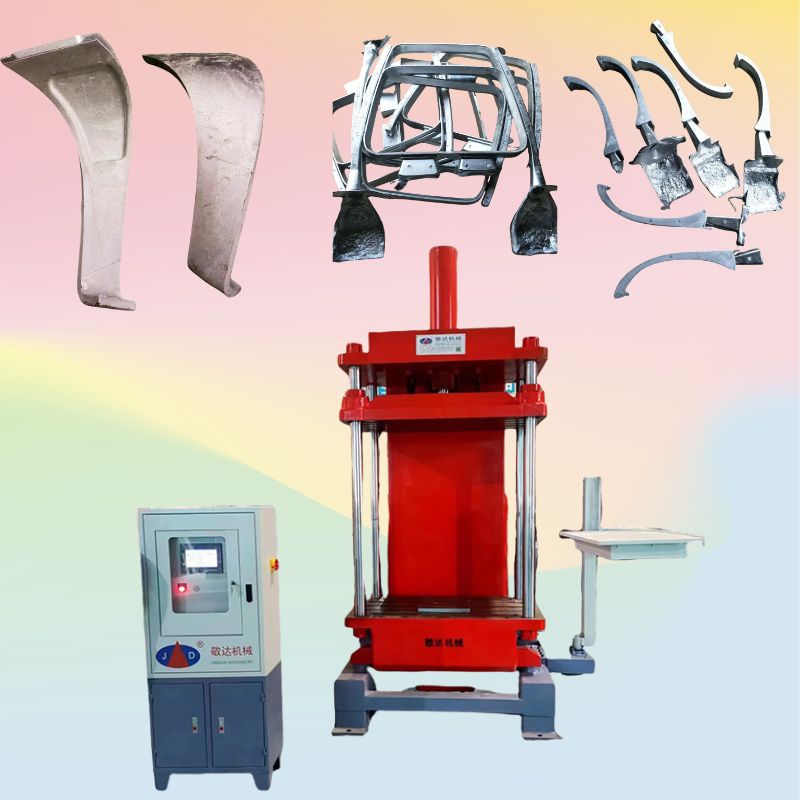
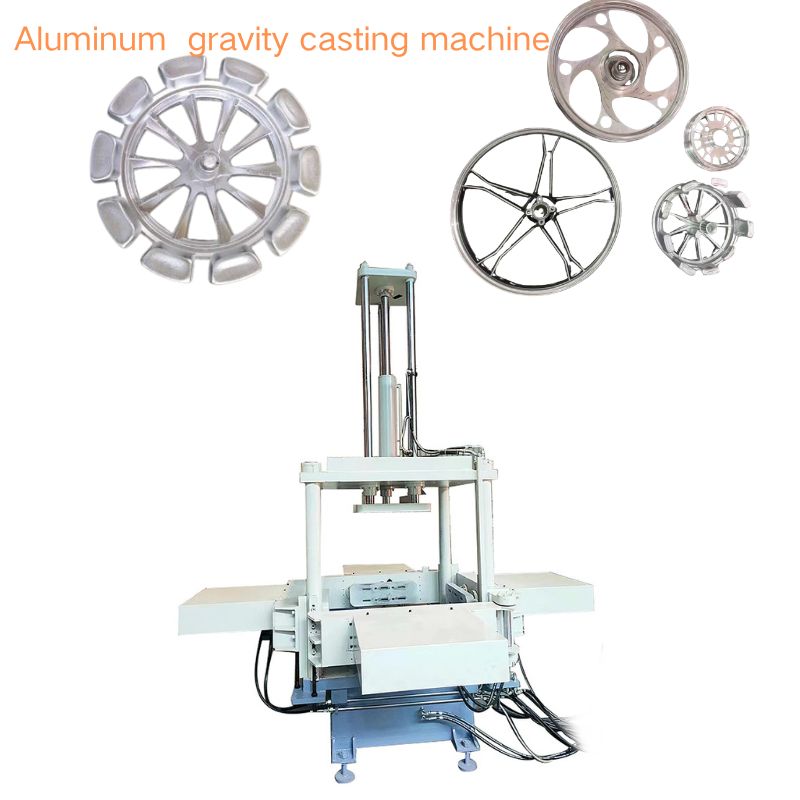
ประเทศไทย ซึ่งเป็นศูนย์กลางอุตสาหกรรมยานยนต์ดั้งเดิมของอาเซียน ยังคงขยายกำลังการผลิตชิ้นส่วนโลหะเบาด้วยการหล่ออย่างต่อเนื่องภายใต้ยุทธศาสตร์ประเทศไทย 4.0 ผู้ผลิตชิ้นส่วนยานยนต์ระดับ Tier-1 หลายรายในเขตเศรษฐกิจพิเศษภาคตะวันออก (EEC) กำลังเปลี่ยนเครื่องหล่อแบบใช้แรงโน้มถ่วงแบบเก่าที่ล้าสมัยไปเป็นสายการผลิตหล่อแบบใช้แรงโน้มถ่วงอัตโนมัติเต็มรูปแบบที่ควบคุมด้วยเซอร์โว โรงหล่อในประเทศให้ความสำคัญกับอุปกรณ์ที่สามารถลดอัตราของเสีย ลดเวลาในการผลิต และลดแรงงานคน สำหรับการผลิตฝาสูบ ท่อไอดี ล้อรถจักรยานยนต์ และตัวเรือนมอเตอร์รถยนต์ไฟฟ้า นอกจากนี้ มาตรการจูงใจทางภาษีของ BOI ยังช่วยกระตุ้นให้โรงงานต่างๆ อัพเกรดเครื่องหล่อประหยัดพลังงานที่มีฟังก์ชันการตรวจสอบแบบดิจิทัลอีกด้วย
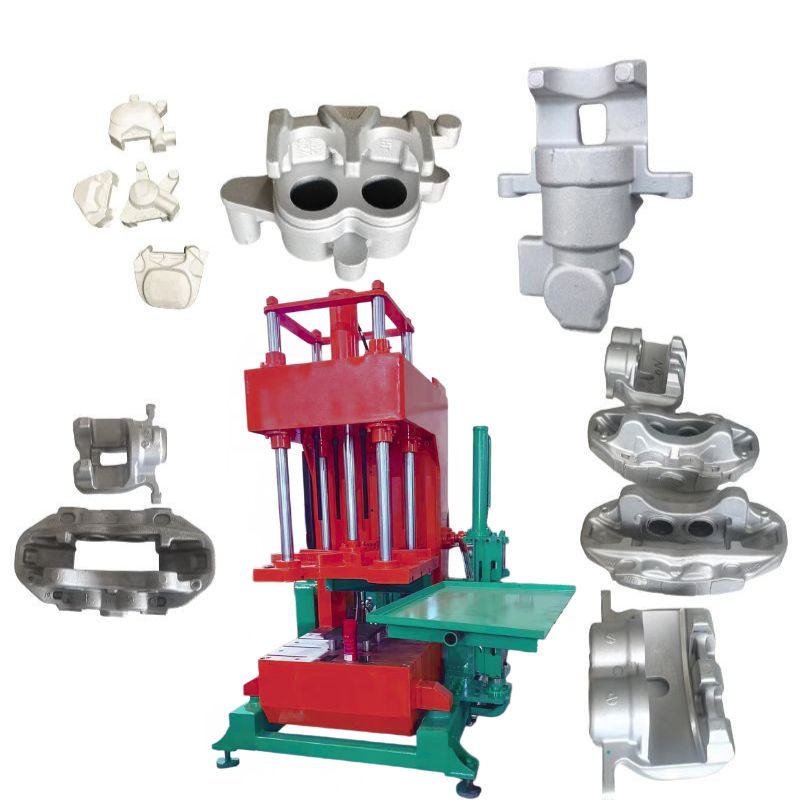
ตลาดรถยนต์ไฟฟ้า (EV) ที่เติบโตอย่างรวดเร็วของอินโดนีเซีย นำมาซึ่งแรงผลักดันใหม่สำหรับเครื่องจักรหล่อแบบแรงโน้มถ่วง ยอดขายรถยนต์ไฟฟ้าในอินโดนีเซียพุ่งสูงขึ้นอย่างมากในปี 2025-2026 ผู้ผลิตชิ้นส่วนในประเทศกำลังลงทุนในโรงงานหล่อใหม่เพื่อผลิตชิ้นส่วนอะลูมิเนียมน้ำหนักเบาสำหรับรถจักรยานยนต์และรถยนต์ไฟฟ้าโดยสาร เมื่อเทียบกับการหล่อแบบแรงดันสูง การหล่อแบบแรงโน้มถ่วงให้ประสิทธิภาพทางโลหะวิทยาที่ดีกว่าในต้นทุนการลงทุนที่สมเหตุสมผลกว่าสำหรับชิ้นส่วนยานยนต์และเครื่องจักรขนาดกลาง ซึ่งเหมาะกับโรงหล่อขนาดกลางส่วนใหญ่ในอินโดนีเซียเป็นอย่างยิ่ง
เวียดนามยังคงดึงดูดการลงทุนจากต่างประเทศในอุตสาหกรรมยานยนต์และอิเล็กทรอนิกส์อย่างต่อเนื่อง โรงงานหล่อโลหะแห่งใหม่ในไฮฟองและบักนิญกำลังสั่งซื้อเครื่องหล่อแบบแรงโน้มถ่วงขนาดกะทัดรัดและประหยัดพื้นที่ เป้าหมายการผลิตครอบคลุมชิ้นส่วนยึดรถยนต์ ชิ้นส่วนไฮดรอลิก และแผ่นระบายความร้อนสำหรับอุปกรณ์อิเล็กทรอนิกส์ ปัจจุบันเจ้าของโรงงานให้ความสำคัญเป็นพิเศษกับตัวชี้วัดหลักสามประการเมื่อเลือกเครื่องจักรใหม่ ได้แก่ การใช้พลังงานต่ำ การบำรุงรักษาประจำวันที่ง่าย และความยืดหยุ่นในการเปลี่ยนเครื่องมือสำหรับการผลิตหลายผลิตภัณฑ์
ระบบอัตโนมัติและการแปลงเป็นดิจิทัลกลายเป็นแนวโน้มที่ชัดเจนที่สุดในอุตสาหกรรมในปี 2026 ระบบหล่อแบบแรงโน้มถ่วงสมัยใหม่ที่มีระบบเอียงด้วยเซอร์โว การติดตามอุณหภูมิแบบเรียลไทม์ และโมดูลข้อมูล IIoT กำลังค่อยๆ เข้ามาแทนที่ระบบไฮดรอลิกแบบพื้นฐาน ผู้ซื้อโรงหล่อไม่ได้มุ่งเน้นเฉพาะราคาซื้อเริ่มต้นอีกต่อไป พวกเขาประเมินต้นทุนรวมในการเป็นเจ้าของอย่างครอบคลุม รวมถึงพื้นที่ใช้งาน ความต้องการพลังงาน แรงงาน การสูญเสียจากเศษวัสดุ และค่าใช้จ่ายในการบำรุงรักษาประจำปี มอเตอร์ประหยัดพลังงานที่ไม่ต้องมีฉลากประหยัดพลังงานภายนอกที่บังคับใช้ก็ได้รับการยอมรับอย่างกว้างขวาง ตราบใดที่สามารถจัดหาเอกสารรายงานการทดสอบอย่างเป็นทางการเพื่อตรวจสอบการปฏิบัติตามข้อกำหนดได้
ผู้ผลิตเครื่องหล่อแบบแรงโน้มถ่วงจากจีนได้รับการยอมรับในตลาดอาเซียนมากขึ้นในปี 2026 ราคาที่แข่งขันได้ การสนับสนุนหลังการขายที่รวดเร็ว และโซลูชันการเอียงที่ปรับแต่งได้ ทำให้เครื่องจักรจากจีนเป็นทางเลือกยอดนิยมแทนแบรนด์จากยุโรปและญี่ปุ่นสำหรับโรงหล่อขนาดเล็กถึงขนาดกลางในท้องถิ่น ผู้ผลิตเครื่องจักรหลายรายให้บริการแบบครบวงจร รวมถึงการวางแผนผัง การสนับสนุนการทดลองแม่พิมพ์ และการฝึกอบรมผู้ปฏิบัติงานในสถานที่สำหรับลูกค้าในเอเชียตะวันออกเฉียงใต้
นักวิเคราะห์อุตสาหกรรมคาดการณ์ว่าตลาดเครื่องหล่อขึ้นรูปด้วยแรงโน้มถ่วงในภูมิภาคนี้จะเติบโตอย่างมั่นคงในอีกสามปีข้างหน้า เนื่องจากผู้ผลิตรถยนต์จำนวนมากขึ้นสร้างห่วงโซ่อุปทานในท้องถิ่นภายในอาเซียน ความต้องการเซลล์การผลิตแบบอัตโนมัติและยืดหยุ่นสำหรับการหล่อขึ้นรูปด้วยแรงโน้มถ่วงจะยังคงแข็งแกร่ง โดยเฉพาะอย่างยิ่งสำหรับชิ้นส่วนอะลูมิเนียมคุณภาพสูงสำหรับเครื่องยนต์สันดาปภายใน รถยนต์พลังงานใหม่ และเครื่องจักรกลก่อสร้าง