

คุณกำลังมองหาอะไร?
Introduction
The trend toward lightweighting in new energy vehicles (NEVs) continues to reshape the aluminum alloy casting sector. Gravity casting—traditionally used for cylinder heads and intake manifolds—is expanding into structural components for NEVs, such as motor housings and battery trays, complementing high-pressure die casting thanks to advantages like high casting density, suitability for thick-walled parts, and T6 heat treatment compatibility. With leading European manufacturers upgrading to automated production lines and Southeast Asia and India entering a window for capacity expansion, the global gravity casting market is poised for a new phase of growth.
## Europe: Automated Casting Cells Deployed; Gravity Casting Enters the NEV Structural Component Market
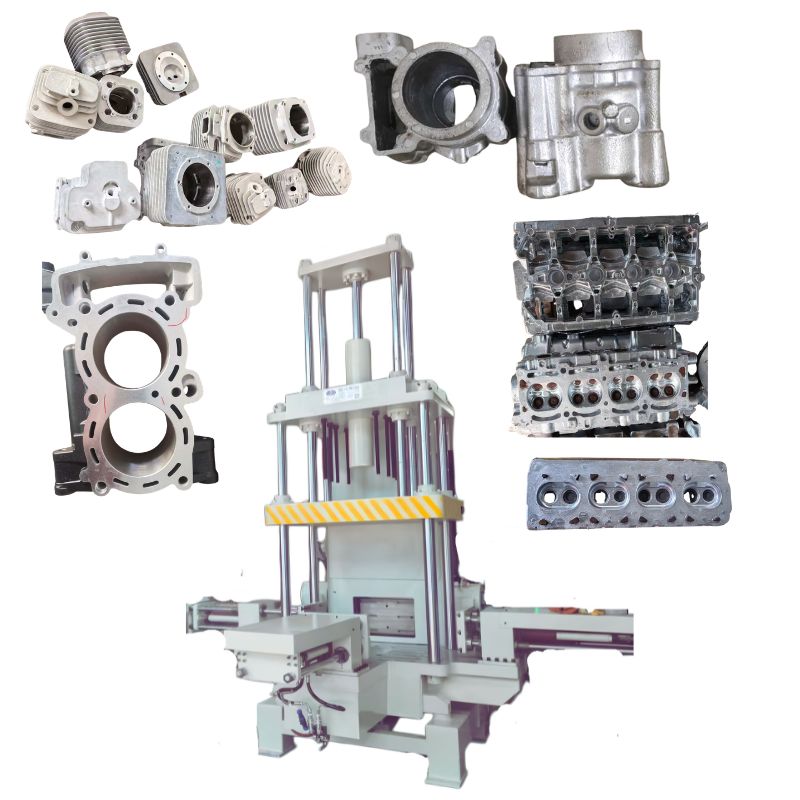
1. Horse Powertrain is building a new gravity casting plant in Spain—the group's first such line in Europe. With an annual capacity of 360,000 units, the facility will primarily produce cylinder heads for both internal combustion engine and hybrid vehicles. The project aims to achieve in-house manufacturing, reduce reliance on external supply chains, and ensure a stable powertrain supply.
2. Fonderie Mora Gavardo, a subsidiary of Italy’s Camozzi Group, unveiled a fully automated gravity casting cell at EUROGUSS 2026. Equipped with a servo-driven tilting pouring system and a Manufacturing Execution System (MES) for full-process traceability, the equipment can produce aluminum alloy castings weighing between 0.5 kg and 30 kg. The new process specifically addresses porosity defects in thick-walled castings; the resulting products—suitable for automotive chassis components and NEV battery trays—challenge the conventional view that gravity casting is limited to traditional powertrain parts.
3. GF Casting Solutions released an updated gravity casting process solution that integrates casting simulation software for closed-loop optimization across the entire workflow. This approach enhances casting density and targets markets for construction machinery and NEV powertrain housings.
## Southeast Asia: A Wave of Equipment Upgrades Makes the Region a Core Hub for Gravity Casting Growth
Driven by the relocation of automotive supply chains and local policies supporting electric vehicles, Thailand, Indonesia, and Vietnam have become the regions with the fastest-growing demand for gravity casting equipment.
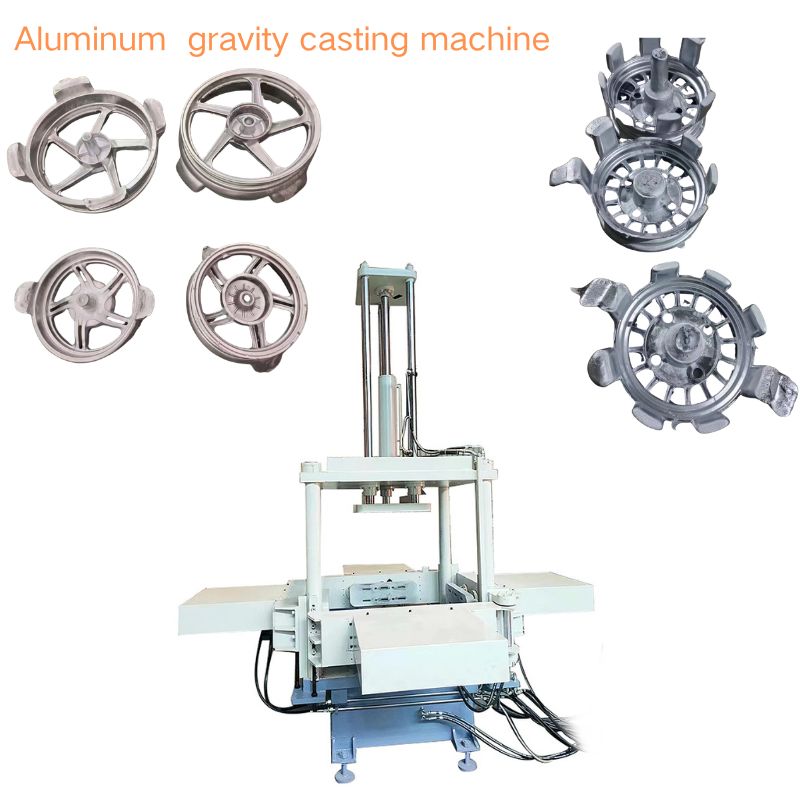
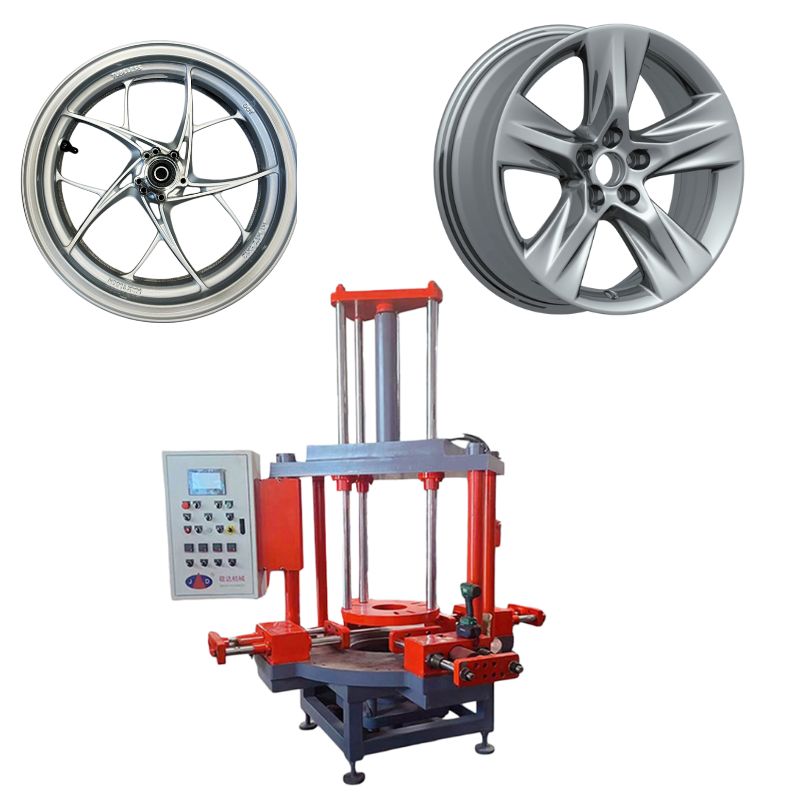
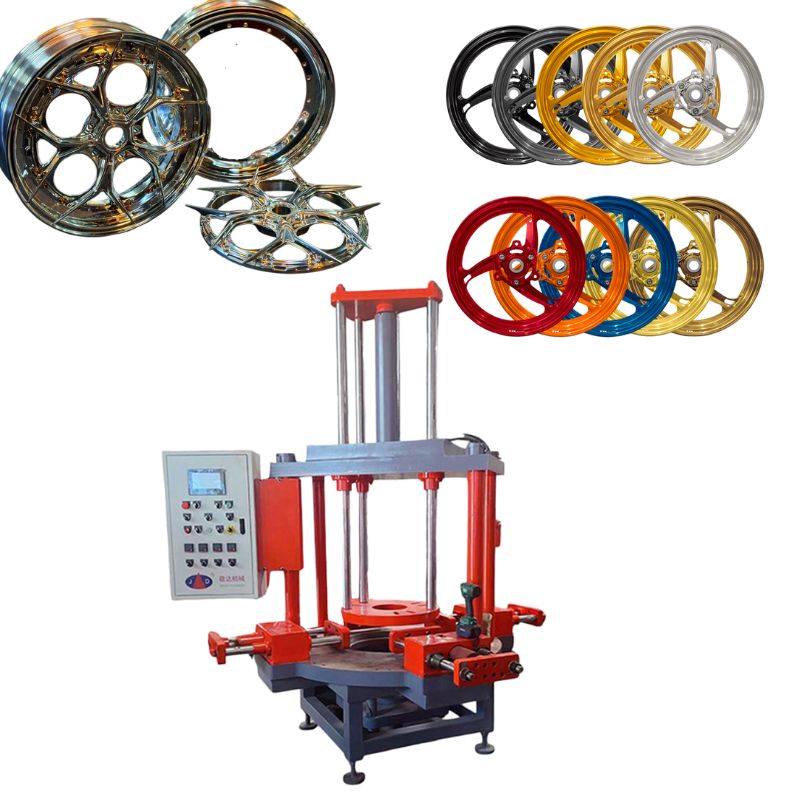
Within Thailand’s Eastern Economic Corridor (EEC), numerous Tier-1 automotive suppliers are replacing manual tilting gravity casting stations with fully automated servo-driven production lines. Their product portfolios span cylinder heads, intake manifolds, motor housings, and motorcycle wheel hubs. Local investment boards (BOI) offer tax incentives to encourage companies to purchase gravity casting equipment featuring digital monitoring and energy-efficient melting systems.
With the rapid rise in domestic electric vehicle (EV) sales in Indonesia, many small and medium-sized foundries are establishing new gravity casting workshops. The local industry generally holds that for medium-batch aluminum production, gravity castings offer superior metallurgical quality compared to high-pressure die castings (HPDC) and require lower equipment investment, making them well-suited for lightweight components in two-wheelers and passenger vehicles.
South Asia & North America: Continued Capacity Expansion Focused on Automotive and Heavy-Duty Truck Castings
India’s Jaya Hind Industries has announced an investment plan for 2026–2028, allocating ₹6 billion to simultaneously expand high-pressure die casting and gravity casting capacities. The plan targets its Pune and Chennai facilities, incorporating integrated production lines for heat treatment, impregnation, and machining to fulfill orders for automotive aluminum castings for both domestic and export markets.
In the North American market, Italian foundry 2A USA is investing $32 million to expand production in Alabama. The project adds large-scale aluminum alloy casting and machining capabilities—covering heavy-duty truck components such as gravity-cast structural parts—and creates 50 new jobs.
Key Global Industry Trends
1. **Broadening Application Scope**: Gravity casting is no longer limited to traditional powertrain components; demand is surging for thick-walled, high-sealing, and T6 heat-treated parts such as motor housings, battery trays, and chassis brackets. Market roles are becoming clearly defined: high-pressure die casting is suited for high-volume, thin-walled parts, while gravity casting focuses on small-to-medium batches and castings requiring high mechanical performance.
2. **Technological Focus on Automation and Digitalization**: Key upgrades include servo-driven tilting pouring, MES-based end-to-end traceability, front-end casting simulation, and online mold temperature monitoring. These technologies meet IATF 16949 traceability requirements for automotive parts; automation can boost yield rates by 10%–18% compared to manual pouring while reducing the need for manual labor in high-temperature work zones. 3. **Market Demand**: New energy vehicles (NEVs) are driving an annual growth rate of approximately 15% in the demand for gravity-cast aluminum parts, with aluminum alloys accounting for about 80% of total gravity casting volume; the use of recycled aluminum and low-carbon melting solutions is increasingly becoming a mandatory criterion for overseas clients when vetting suppliers.
4. **Market Opportunities**: Major international casting companies—such as Nemak and Ryobi—are continuously upgrading their gravity casting production lines, focusing primarily on powertrain components for electric vehicles. While the European market prioritizes high-end automated casting cells, Southeast Asia and India favor cost-effective automated gravity casting equipment, making them key target markets for domestic equipment manufacturers expanding overseas.
Industry Insights
Overseas Tier 1 suppliers and foundries are undertaking large-scale upgrades to replace aging gravity casting equipment, creating strong demand for models featuring servo-driven tilting and digital monitoring capabilities. Overseas buyers are shifting their focus from mere equipment price to MES traceability, low-porosity molding processes, and integrated delivery capabilities that combine casting with heat treatment and impregnation. New energy vehicle battery trays and motor housings represent emerging "blue ocean" markets for gravity casting, offering significant development potential for domestic equipment manufacturers.